
PURETECH · TECHNOLOGY
RFID Technology
At PURETECH, we place great importance on process-control systems. We consider FOD-detection systems essential for preventing products and equipment used during airframe assembly from being left behind as foreign object debris.
We use RFID technology in several of our systems:

EasyNut
Our EasyNut drilling systems for nutplate installation can be used with cordless-tool interfaces equipped with RFID detection. This enables rotational speeds to be assigned to each drilling operation according to the materials involved. Speeds are set digitally. Whenever the tool is connected to the drill, the system automatically selects the correct speed and records the number of cycles completed to monitor cutting-tool service life.
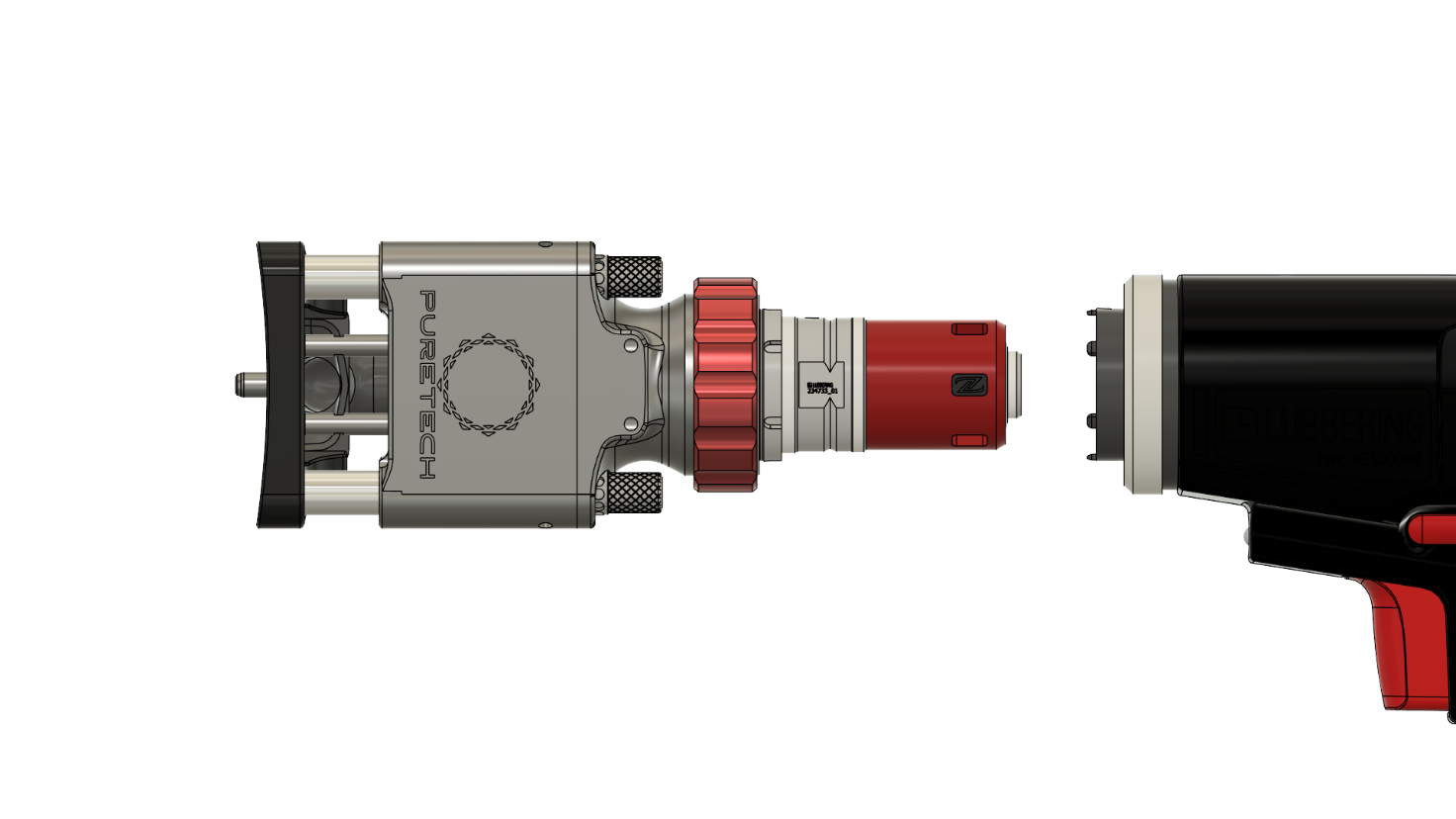
 Sequence described in the technical text
EasyFit Robotic
We have developed a dedicated end effector for installation on an articulated industrial robot. It drills different nutplate models using an automatic head-change system.
The machine uses RFID to identify the head and manage the drilling program, provide redundancy with the part program, and monitor the number of cycles.
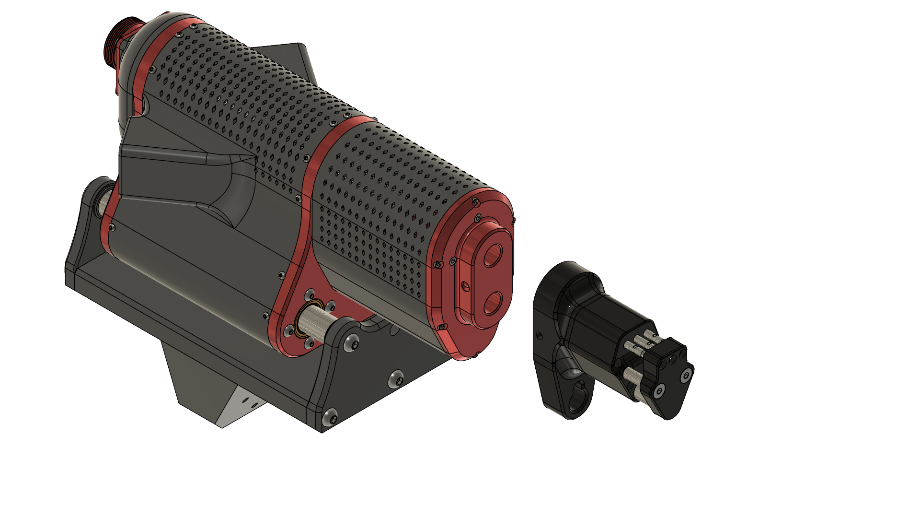 Elements described in the technical text
EasyFit Temporary Fasteners:
We have also added RFID functionality to our special temporary fasteners for two distinct, essential purposes:
- Automatic selection of tool programs;
- RFID detection for inventory management and FOD searches.
We have developed a dedicated interface that connects to a cordless screwdriver and reads the RFID tag when a fastener is fitted to the tool. The tool then automatically loads the previously defined installation program. It can also track the number of use cycles for each temporary fastener and support the corresponding maintenance or replacement intervals.
For the second purpose, an RFID detection system can be used to search for lost fasteners inside fuselages, engine covers, or other airframe structures.
The same tags can also be used to monitor and store parts in advanced systems such as CribMaster.
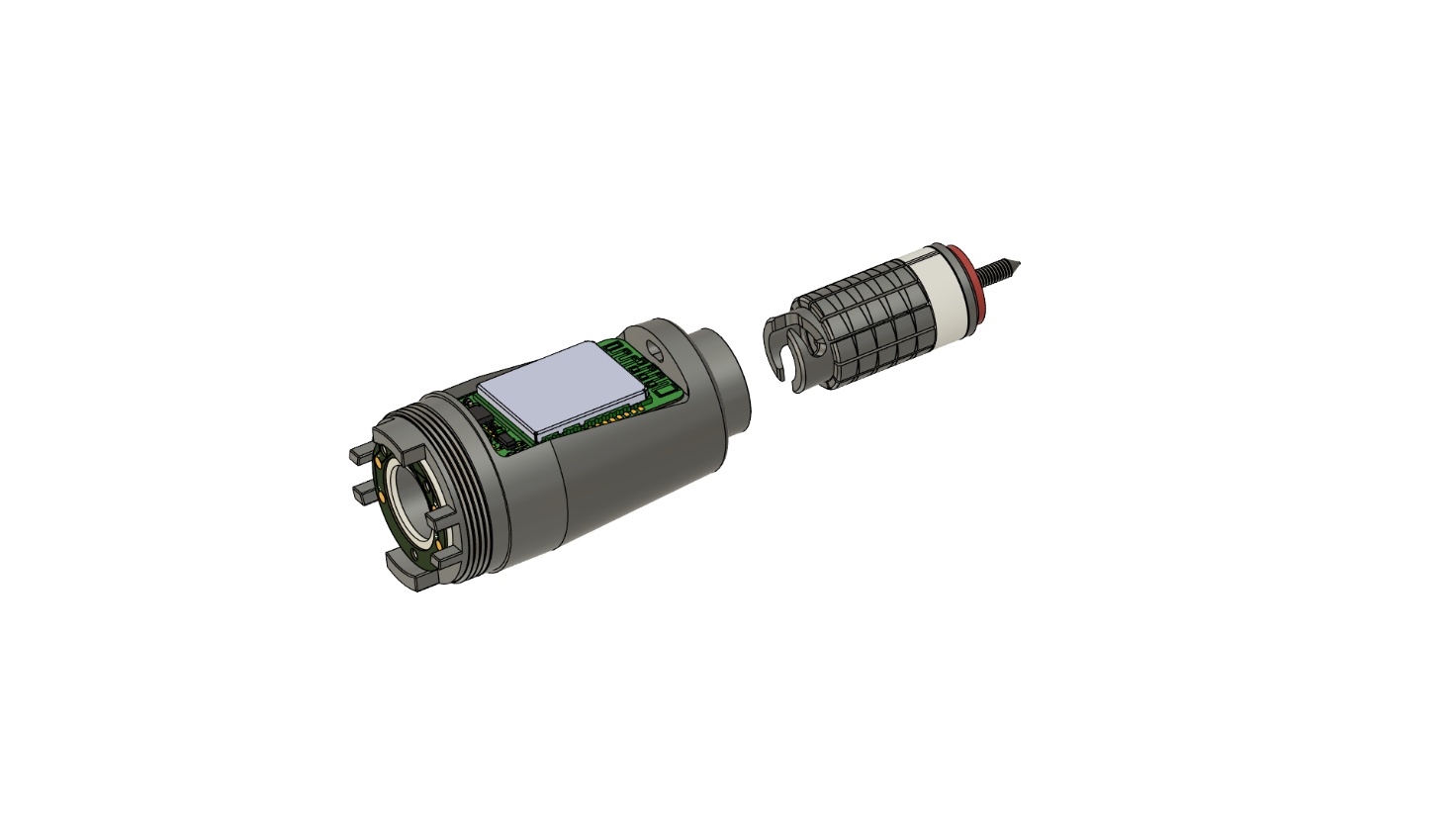 Functions described in the technical text